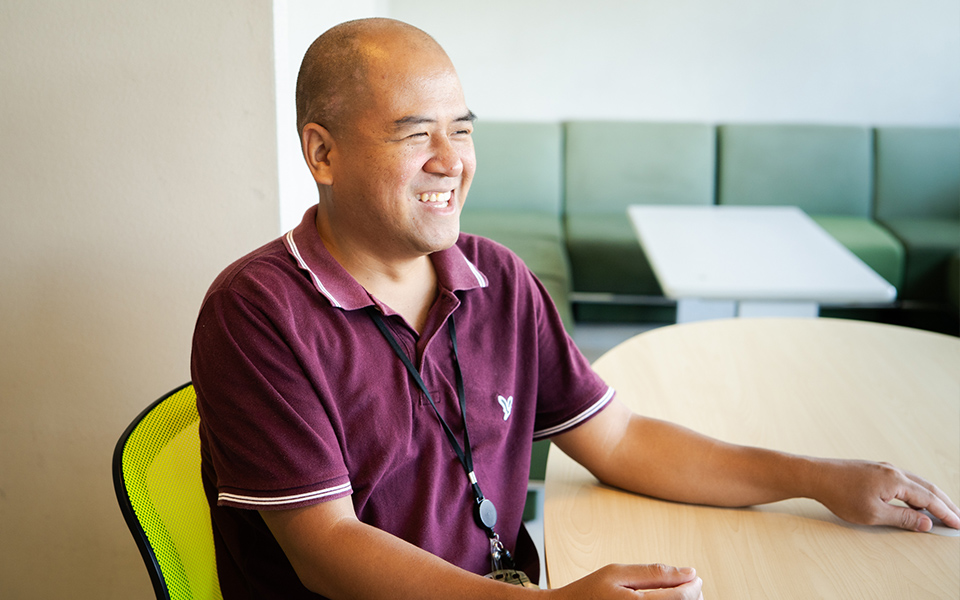

Before Coming to NAIST
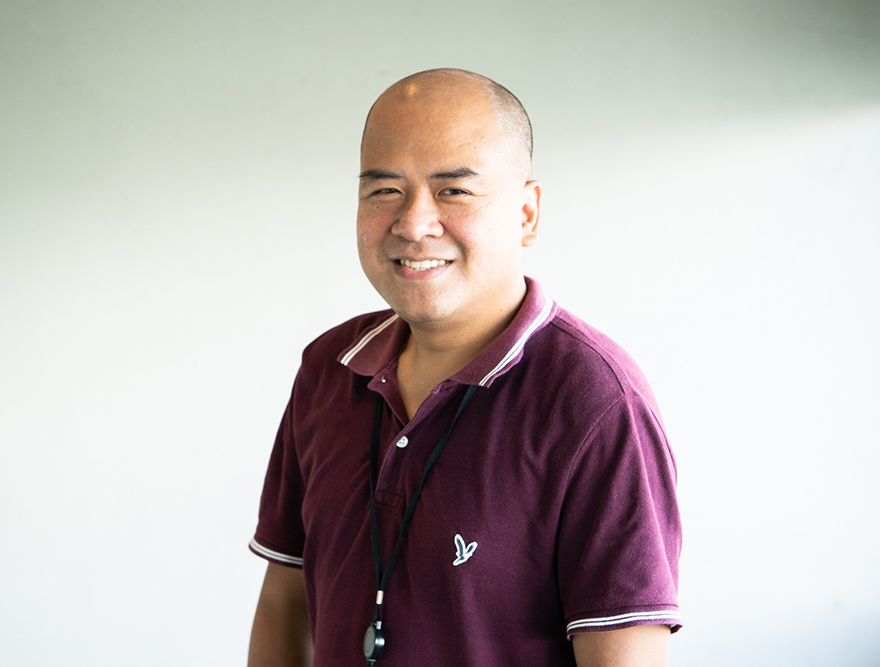
I studied chemistry at Ateneo de Manila University in the Philippines. My research focused on identifying and evaluating biologically active compounds. Specifically, I investigated organosulfur compounds in garlic and their relationship to hypertension, combining cheminformatics, in silico and in vitro analyses.
I first learned about NAIST through Ateneo alumni who were pursuing their PhDs here. During the pandemic, their enthusiastic encouragement inspired me to apply. After earning my master’s degree in December 2021, I sat for NAIST’s preliminary screening in 2022. The faculty’s warm reception and focus on supporting passionate researchers made a strong impression. Regardless of our diverse backgrounds or starting skill levels, NAIST's rigorous educational program ensures every student grows to reach the same high standard by graduation. That dedication to student development convinced me that NAIST was the right place for my next step.
Transitioning to molecular biology at NAIST has presented a welcome challenge. Seeing plants as "nature’s chemists"—each producing unique compounds vital for survival and growth—has made exploring plant biology a deeply rewarding experience.
Current Research and Research Life
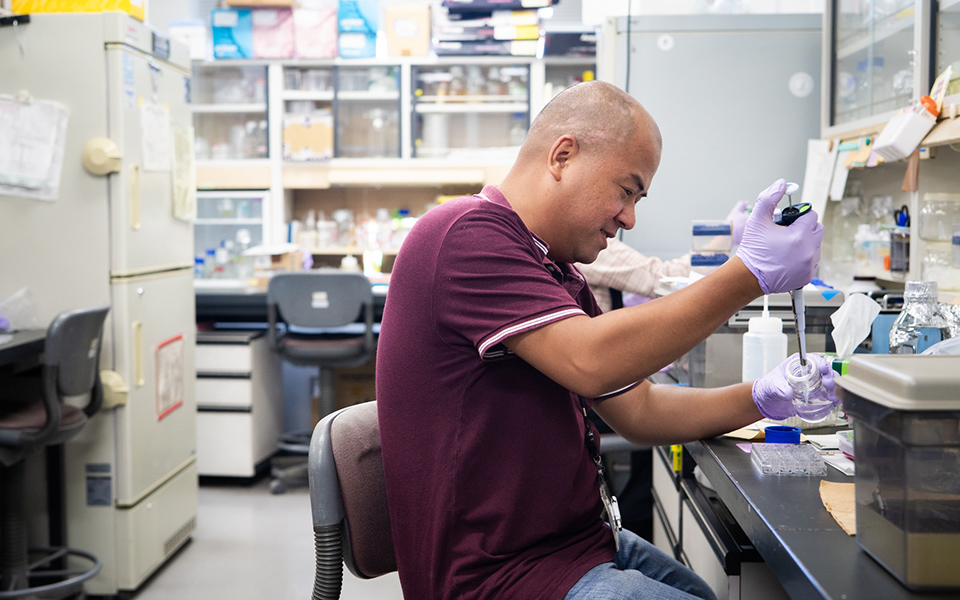
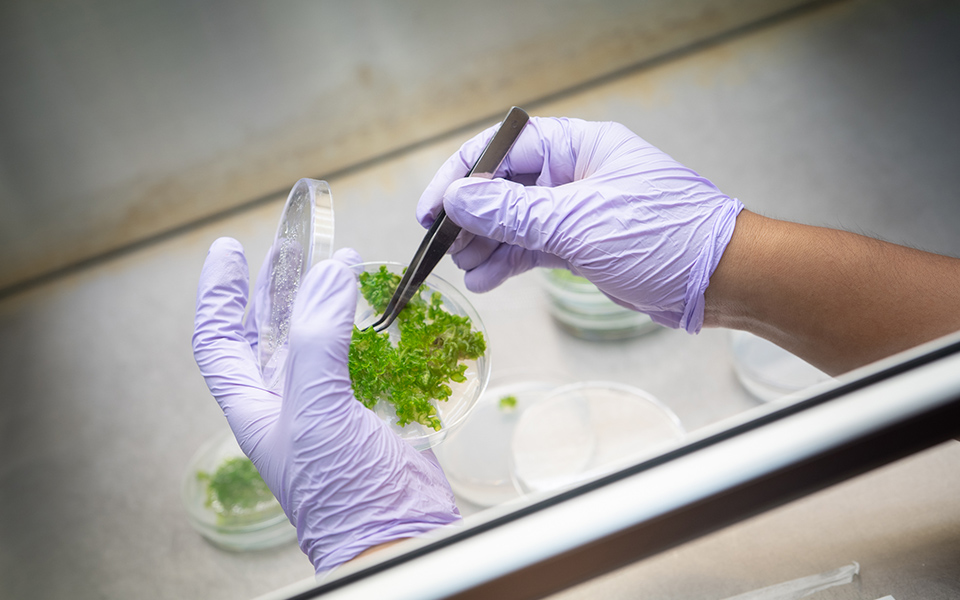
My current research is on the role of cytoskeleton-associated proteins on liverwort’s intercellular spaces. Navigating research at NAIST has been interesting but challenging. My professor regularly conducts discussions and guides my research direction. Whenever the lab protocols are in Japanese, my professor translates and points out the critical steps I need to learn. Thanks to this guidance, language barriers have not created any major obstacles to my daily work.
Culturally, the lab environment presents a noticeable contrast to my experience in the Philippines. Where Philippine labs are lively and filled with casual conversation, the atmosphere here is exceptionally efficient but quieter and more reserved. While my limited knowledge of Japanese certainly contributes to these dynamics, it also reflects broader cultural differences in workplace interaction.
My daughter enrolled as part of the first cohort when the on-campus "Scitech daycare" opened in October 2024. She is now four years old and attends the affiliated "Takayama Kodomo-en." The nursery staff are very kind and cooperative, and I can feel their efforts when it comes to translation and communication. What has impressed me most is the detailed daily reports. They tell us what she ate that day and what she did from what time to what time, sometimes with photos included. In the Philippines, there's usually only a parent-teacher conference once a semester, so this is a big difference.
Challenges in the Research Environment
NAIST has built a strong ecosystem that allows you to answer challenging but important research questions. However, its location takes about 30 minutes on foot to reach the nearest stations, so for students without a car, there's no easy way to get around. Having a bicycle is one of greatest investments that can help with moving around the area.
To maintain a healthy balance outside of research, I make it a priority to step away from the lab every week. My family frequently visits parks, zoos, and cities like Osaka and Nara for my daughter, who loves animals. Faith is another vital anchor; as a Catholic, attending services like the monthly English mass in Nara City provides essential mental refreshment and a meaningful way to stay connected with the broader Filipino community.
Financially, supporting a family on a student scholarship presents unique challenges. Covering basic living expenses required me to find part-time work. Expanding on-campus part-time job opportunities—even for modest pay—would dramatically ease the burden on student-parents and help them maintain a more sustainable lifestyle. Overall, my experiences at NAIST have deeply shaped me, helping me become more resilient and giving me a clearer understanding of what truly matters in life.